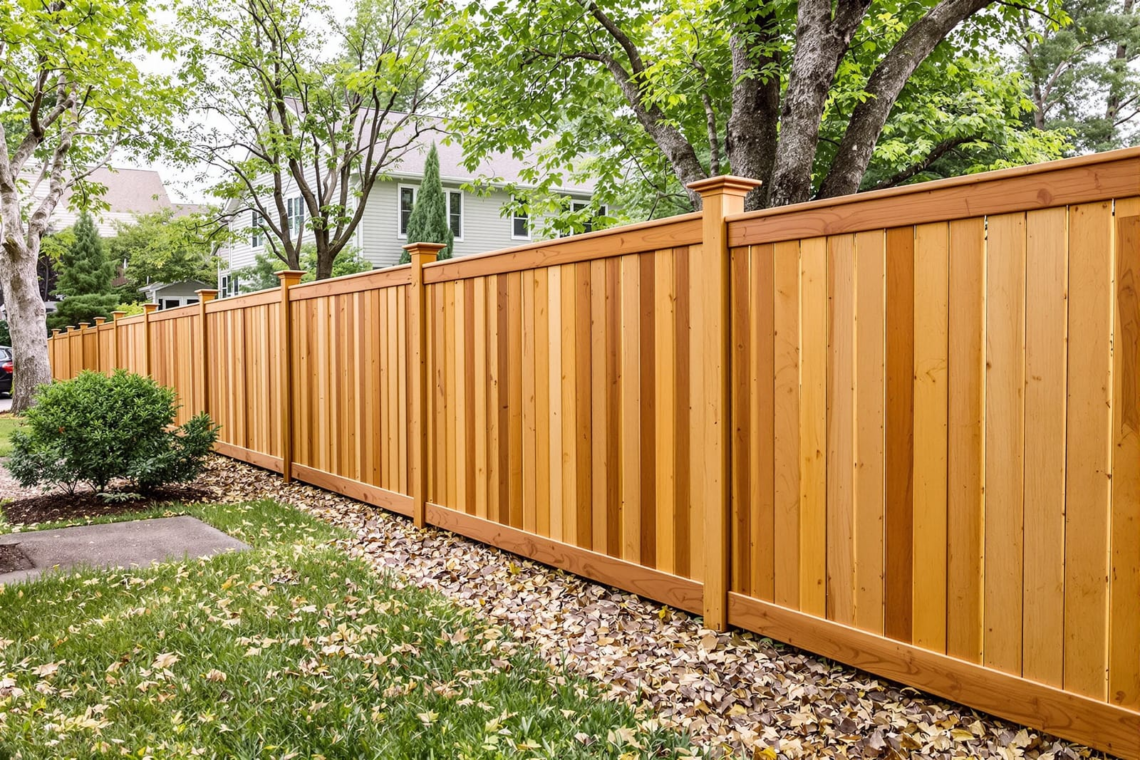
Your fence does more than mark the edge of your property. It creates privacy, helps protect children and pets, improves curb appeal, and gives your outdoor space a finished appearance. In South Carolina’s Lowcountry, a well-planned fence can also help homeowners make the most of their backyards while choosing materials suited to local weather conditions. Whether you are building a new home in Summerville, upgrading a backyard in Moncks Corner, or repairing a damaged fence in Goose Creek, choosing the right fencing contractor is an important first step.
Cypress Fencing LLC serves homeowners and businesses throughout the South Carolina Lowcountry with fence installation, repair, replacement, and maintenance services. The company offers wood, vinyl, chain link, and aluminum fencing options, helping property owners find solutions that balance appearance, function, and budget. Its website also highlights free estimates and a veteran-operated approach centered on faith, integrity, and quality craftsmanship.
The key to a successful fence project is understanding what your property needs before construction begins. Do you want a private outdoor retreat, a secure enclosure for your dog, a decorative boundary, or a durable barrier for a commercial property? Each goal can call for a different design, material, and installation method. By considering the climate, maintenance requirements, property layout, and neighborhood rules together, you can invest in a fence that serves you well for years rather than becoming another expensive project to fix.
Why Quality Fencing Matters for South Carolina Properties
A quality fence can transform the way you use your property. For families, it can create a defined play area and make a backyard feel more comfortable. For pet owners, a properly designed enclosure can provide a more controlled outdoor environment, provided the fence height, spacing, gates, and overall construction suit the animal. Homeowners who value privacy may prefer a solid wood or vinyl fence, while those who want to preserve an open appearance might choose aluminum or chain link. The right choice depends on how you live, what you need to protect, and how you want your home to look from the street.
In growing Lowcountry communities, fencing can also help create a consistent visual boundary between neighboring properties. A professionally installed fence should complement the home’s architecture, follow the contours of the yard, and account for practical features such as gates, drainage paths, and access points. Poorly positioned posts, uneven panels, or poorly aligned gates can make even attractive materials look unfinished. Professional planning helps prevent those issues by addressing layout and function before the first post goes into the ground.
The Lowcountry Climate and Your Fence
South Carolina’s humid climate, heavy rain, intense sunshine, and occasional severe storms can challenge outdoor materials. Wood can absorb moisture, develop decay, or experience insect damage when it is not properly selected and maintained. Metal components may corrode when protective coatings are damaged, while vinyl can become dirty or sustain impact damage even though it does not rot like wood. Strong winds can also place stress on fence panels and posts, particularly when the fence has a large, solid surface.
That is why fence installation in South Carolina should account for more than appearance. Post placement, drainage, fastening methods, material quality, and the condition of the soil all influence how a fence performs. Homeowners should also consider the amount of maintenance they are willing to handle over time. A little planning at the beginning can make the difference between a fence that remains attractive and one that requires frequent repairs.
Fence Installation Services by Cypress Fencing
A new fence should fit your property as naturally as a well-designed porch or patio. It needs to serve a practical purpose while looking like it belongs there. Cypress Fencing provides several fencing services for homeowners and businesses across the Lowcountry, including new installations, repairs, replacements, and wood staining. Its range of materials gives customers flexibility when choosing between privacy, visibility, security, and ongoing maintenance.
Before choosing a design, think about the problem you want your fence to solve. If your backyard faces a busy street or nearby homes, privacy may be your priority. If you have a dog that enjoys exploring, secure boundaries and a dependable gate may matter most. If you want to improve the appearance of your front yard without blocking the view, an open metal fence could be a better fit. A professional consultation helps translate those goals into a practical layout, including panel height, gate locations, materials, and any site-specific considerations.
Wood Fence Installation for Privacy and Curb Appeal
Wood fencing remains a popular option for homeowners who want a natural appearance and dependable backyard privacy. Its classic look works with many home styles, from traditional Lowcountry houses to newer suburban properties. Depending on the design, wood can create a solid visual barrier, define garden spaces, or add a decorative boundary without making the yard feel enclosed. It can also be customized through different board arrangements, heights, finishes, and gate styles, making it a flexible choice for homeowners with specific design preferences.
The biggest advantage of wood is its versatility, but that flexibility comes with maintenance responsibilities. Rain, humidity, direct sunlight, and soil moisture can gradually affect boards and posts. Regular inspections, appropriate cleaning, and suitable staining or sealing can help preserve the fence’s appearance and condition. Homeowners should also pay attention to loose fasteners, damaged boards, and signs of deterioration near ground level. With thoughtful installation and consistent upkeep, a wood fence can remain a valuable part of your outdoor space rather than becoming a recurring repair project.
Vinyl, Chain Link, and Aluminum Fencing Options
Wood is not the right answer for every property, which is why comparing alternative fencing materials is worthwhile. Vinyl fencing is attractive to homeowners who want a clean, consistent appearance without routine painting or staining. It is available in privacy and decorative designs, and it does not experience the same moisture-related decay as natural wood. Although vinyl still needs cleaning and can crack under certain impacts, it can be a practical choice for people who prefer relatively simple maintenance.
Chain link fencing offers a straightforward way to define boundaries and contain pets while maintaining visibility. It is often considered for larger yards, utility areas, and commercial properties where function and budget are important. Galvanized or appropriately coated options can help resist corrosion, while privacy slats may provide additional screening where suitable. Aluminum fencing, meanwhile, offers a more decorative appearance with open sightlines, making it worth considering for landscaped yards, gardens, and certain pool enclosures. Its protective finish can help limit corrosion, although the suitability of any fence around a swimming pool depends on applicable safety requirements and local regulations.
Cypress Fencing offers wood, vinyl, chain link, and aluminum fencing services, allowing customers to compare different solutions rather than relying on a single material.
The best choice depends on the property’s layout, desired appearance, exposure to weather, and expected maintenance. A useful starting point is to identify your top two priorities, such as privacy and low maintenance, then compare materials against those needs.
Choosing the Right Fence Material
Selecting a fence is a little like choosing a roof: the appearance matters, but performance over time matters just as much. A low initial price may look attractive until maintenance, repairs, and replacement costs enter the picture. On the other hand, paying for a premium material does not automatically make it the best choice for every yard. The goal is to find a balance between upfront investment, long-term care, functionality, and the style of your property.
Consider how you use the space throughout the year. A family that spends most evenings outdoors may value privacy and a gate that opens easily. Someone with a large property may prefer an economical perimeter fence that does not completely obstruct the view. Homeowners in planned communities may have fewer material or color choices because their HOA establishes specific design standards. By evaluating these factors before requesting a quote, you can narrow your options and make the consultation more productive.
Comparing Durability, Maintenance, and Cost
The following table provides a general comparison of common residential fence materials. Actual prices depend on fence length, height, terrain, access, material quality, gate requirements, and local installation conditions, so these descriptions are not project-specific quotes.
| Fence material | Main advantages | Maintenance considerations | Best suited for |
| Wood | Natural appearance, privacy, customizable styles | May need staining, sealing, and board or post repairs | Backyards, privacy barriers, decorative boundaries |
| Vinyl | Consistent finish, no routine painting or staining | Requires cleaning; panels may crack after impacts | Low-maintenance residential fencing |
| Chain link | Visibility, practical enclosure, often economical | Check coatings, ties, posts, and tension over time | Pets, larger yards, utility areas, commercial sites |
| Aluminum | Decorative appearance, open sightlines, corrosion-resistant finishes | Inspect fasteners, finish, posts, and gates | Gardens, property boundaries, suitable pool enclosures |
The cheapest fence at installation is not necessarily the least expensive fence to own. Wood, for example, may offer a lower initial investment for some designs, but its long-term cost depends on the condition of the timber and the maintenance you provide. Vinyl can reduce staining and painting work, while aluminum can provide a decorative finish with relatively limited routine care. Chain link may be a practical choice for enclosing a broad area without the cost of a solid privacy fence.
When comparing estimates, ask each contractor to specify the material, fence height, approximate linear footage, number of gates, post installation method, removal of any existing fence, and cleanup arrangements. Check whether the quote includes any required permits or whether those costs and responsibilities are handled separately. A clear written estimate makes it easier to compare similar projects and understand why two contractors may offer different prices.
Professional Fence Repair and Replacement
A damaged fence does not always need to be replaced from end to end. Sometimes, a single broken panel, a leaning post, or a faulty gate can be repaired without disturbing the rest of the structure. In other cases, visible damage may point to deeper problems, such as deteriorated posts, widespread rot, or a foundation that cannot reliably support the fence. A careful inspection helps distinguish a small repair from a larger issue that could return if only the visible damage is addressed.
Cypress Fencing offers fence repair and replacement services for homeowners and businesses across its Lowcountry service area.
Repair work may be appropriate when the damage is localized and the remaining fence is structurally sound. Replacement becomes more attractive when multiple sections are failing, the material has deteriorated extensively, or the existing design no longer meets the property’s needs. The right recommendation should consider the fence’s overall condition, your budget, and the likely value of extending its useful life.
Common Fence Problems and When to Repair
Several warning signs suggest that a fence needs attention. Leaning sections can indicate loose or deteriorated posts, while loose boards and missing fasteners may leave gaps that affect privacy or pet containment. Gates that drag across the ground or fail to latch can point to sagging hinges, shifting posts, or alignment problems. After a storm, fallen branches and wind-driven debris may damage panels, while saturated ground can weaken the support around posts.
The sensible approach is to address problems before they spread. Replacing a damaged board early may prevent additional deterioration, while correcting a loose gate hinge can help reduce stress on the rest of the gate assembly. However, repairs should not be limited to appearances if the underlying support is failing. A contractor can assess the affected section, identify the likely cause, and explain whether targeted repairs or a more extensive replacement offers better long-term value.
It also helps to inspect your fence periodically rather than waiting until something breaks. Walk the perimeter and look for changes in alignment, deteriorating wood, loose connections, damaged coatings, and areas where water collects. Check that gates close properly and that the ground around the fence remains stable. If you notice substantial movement, exposed electrical or utility infrastructure, or storm damage that could create a safety risk, keep people away from the affected area until it can be assessed.
Fence Staining and Preventive Maintenance
Wood fence staining is more than a cosmetic upgrade. The right stain can help reduce the effects of ultraviolet exposure and moisture, supporting the appearance and condition of the timber. In a humid environment, neglected wood can develop mildew, discoloration, and surface deterioration, especially where drainage is poor or vegetation remains pressed against the boards. A suitable maintenance routine helps protect the investment you have already made in your fence.
Cypress Fencing lists wood staining among its services, offering homeowners an option for maintaining and refreshing existing wood fencing.
Before staining, the wood should be assessed and prepared appropriately. Depending on its condition, preparation may involve cleaning, allowing sufficient drying time, and addressing loose or damaged components. Applying a coating to damp or poorly prepared wood can lead to disappointing results, so timing and product suitability matter.
New wood fencing may need time to dry before a stain is applied, but the correct waiting period depends on the wood species, treatment, moisture level, and product instructions. Rather than relying on a fixed number of days, check the stain manufacturer’s guidance and confirm that the surface is ready. Once the fence is treated, inspect it periodically for fading, peeling, water-related damage, or areas that receive particularly strong sunlight. Maintenance intervals vary with exposure and product choice, so follow the recommendations for the specific finish used.
Preventive maintenance also involves keeping the surrounding area in good condition. Trim vegetation that traps moisture against the boards, avoid piling soil or mulch against vulnerable wood, and keep drainage routes clear. Make sure gates continue to swing freely and that hardware remains secure. These straightforward habits can help you spot developing problems early and preserve the appearance of your fence between professional service visits.
HOA Fence Approval and South Carolina Regulations
Installing a fence in a neighborhood governed by a homeowners association requires more planning than choosing a style and scheduling a crew. Your HOA may regulate fence height, materials, colors, placement, and the portions of your property that can be enclosed. Some communities favor wood privacy fences, while others prefer decorative aluminum or restrict fencing in front yards. These rules vary from one neighborhood to another, so a design approved elsewhere in South Carolina may not be acceptable in your subdivision.
The City of Charleston specifically instructs homeowners to verify applicable HOA requirements separately from municipal permitting. Its residential fence guidance identifies items such as a site plan and, where applicable, additional review for properties in designated architectural districts.
This distinction is important: HOA approval and government permits are separate requirements, and satisfying one does not automatically satisfy the other.
Cypress Fencing highlights familiarity with neighborhood requirements as part of its approach to local fencing projects. Its website and customer feedback describe assistance with planning fences around HOA guidelines and property-specific constraints.
Cypress Fencing+1
Homeowners should still confirm the exact approval process with their own association and local permitting office before construction begins.
How to Prepare for HOA Approval
Start by obtaining your HOA’s current architectural guidelines, application forms, and fence specifications. Look for requirements concerning approved materials, maximum height, permitted colors, gate design, setbacks, and whether fencing is allowed along particular sides of the home. Some associations may require photographs, a property survey, a drawing showing the proposed fence, or a description of the materials and finish. Understanding these details early can save time and help you avoid ordering materials that do not meet the rules.
Next, prepare a clear proposal that shows where the fence will go and what it will look like. If your neighborhood requires a particular design or finish, make sure the proposal reflects those details. Ask whether the association needs written approval before you apply for a local permit, because the order of approvals can vary by jurisdiction. Keep copies of submitted documents and written decisions so you have a record of the approved design.
Do not assume that a contractor’s experience with other HOAs guarantees approval from yours. Every association has its own governing documents and review process. A knowledgeable fence installer can help you plan a proposal that addresses known requirements, but the final decision rests with the relevant authority. If a change becomes necessary, confirm that the revised design receives approval before installation proceeds.
Permits, Property Lines, and Utility Safety
Local fence rules differ across South Carolina, which makes checking your property’s specific requirements essential. For example, the City of Rock Hill lists a scaled site plan or survey, a drawing showing the proposed fence details, and HOA approval where applicable among its residential fence permit documentation.
Rock Hill, SC
Charleston has its own application and review procedures, while other jurisdictions may use different zoning permits or exemptions. There is no single assumption that reliably covers every municipality or unincorporated area.
Property boundaries deserve equal attention. An existing fence may not accurately represent the legal property line, especially if it was installed many years ago. When the boundary is uncertain, review available survey documents or consult a qualified surveyor before deciding where posts should be placed. You should also identify drainage easements, utility easements, public rights-of-way, and any restrictions that could affect the planned location.
Before digging, contact 811 to have underground utilities marked in accordance with the applicable process. Buried lines may include electrical cables, water pipes, gas lines, and communications infrastructure, and damaging them can create serious safety hazards or expensive delays. Utility markings do not establish your property boundaries, so both tasks may be necessary.
Drainage is another important consideration in the Lowcountry. A fence should not obstruct a drainage swale or interfere with the flow of water across the property. In Charleston, a fence proposed within a drainage easement may require an encroachment permit, depending on the circumstances.
Addressing these details during planning is far easier than relocating a completed fence later.
The Fence Installation Process
Professional fence installation begins with understanding the property, not simply measuring the distance from one corner to another. A contractor needs to consider the purpose of the fence, the ground conditions, access for equipment, the intended gate locations, and any obstacles along the proposed route. Trees, sloping ground, existing structures, and drainage features can all affect the final layout. Discussing these details before work begins helps establish realistic expectations for the project.
A typical project moves from consultation and estimating to design decisions, approvals, site preparation, installation, and a final inspection. The precise sequence varies with the project and local requirements. For example, an HOA-controlled property may need written architectural approval before construction can proceed, while a site with an easement may require additional review. A well-organized contractor should explain the expected sequence and identify any decisions or documents the homeowner must provide.
Planning, Site Preparation, and Installation
The planning stage establishes the fence’s approximate length, height, style, materials, and gate locations. The contractor can use these details to develop an estimate and identify potential challenges. Once the design is agreed upon and necessary approvals are secured, the site can be prepared. This may involve clearing the installation path, confirming the layout, coordinating utility markings, and arranging for removal of an existing fence if that work is included in the agreement.
During installation, posts and supporting components must be positioned to suit the design and ground conditions. Panels or individual boards are then fitted, and gates and hardware are installed and adjusted. The appropriate installation method depends on the material, soil, intended fence height, and manufacturer guidance. Proper alignment is essential because a fence that looks straight from one angle but twists along its length can detract from the entire property.
The job should finish with a review of the completed fence. Check that gates open and close smoothly, latches function correctly, panels are secure, and the installation matches the agreed design. Confirm that the work area has been cleaned and that any agreed-upon debris removal has been completed. It is also sensible to request written warranty information and any maintenance instructions relevant to the materials used.
Residential and Commercial Fencing Solutions
Residential and commercial properties often need different fencing strategies. A homeowner may prioritize privacy, curb appeal, pet containment, or a safe boundary around an outdoor area. A business may focus on controlling access, defining operational areas, protecting equipment, or managing the movement of customers and employees. The ideal design must reflect the property’s purpose rather than simply using the same fence style for every situation.
For residential customers, wood and vinyl privacy fencing can create a more secluded backyard, while aluminum may provide a decorative boundary that preserves views of landscaping. Chain link can be useful where visibility and practical enclosure are important. Gate size and placement also matter because residents need convenient access for everyday activities, yard equipment, and maintenance.
Commercial customers should consider how frequently the fence will be used, whether vehicles need access, and how the site will be maintained. Gate hardware, access points, and the durability of the materials can affect long-term usability. Depending on the business and location, additional security, accessibility, zoning, or industry-specific requirements may apply. Those needs should be identified during the planning stage rather than added as an afterthought.
Cypress Fencing serves residential and business customers across its South Carolina Lowcountry service area and offers several material options for different project needs.
A consultation can help determine which fencing style fits the property’s intended use, while any specialized security or regulatory requirements should be discussed before the scope of work is finalized.
Why Choose Cypress Fencing in the South Carolina Lowcountry
Choosing a fencing contractor involves more than comparing prices. You want a company that communicates clearly, understands the practical challenges of the property, and delivers work that matches the written agreement. Good planning can be particularly valuable when a project involves neighborhood design restrictions, uneven ground, drainage concerns, or an existing fence that needs replacement. Asking questions and reviewing the details upfront helps establish a better working relationship.
Cypress Fencing LLC presents itself as a locally operated, veteran-operated company built around faith, integrity, and craftsmanship. Its stated services include wood, vinyl, chain link, and aluminum fencing, as well as repairs, replacements, and wood staining. The company also advertises free estimates and service throughout communities in the Lowcountry.
Customer feedback can provide another useful perspective when comparing contractors. A recent collection of customer reviews describes positive experiences with communication, installation quality, site cleanliness, and assistance with HOA-related questions.
5.0/5 from 44 Customer Reviews
Reviews reflect individual experiences rather than guaranteed outcomes, so homeowners should also evaluate the proposed scope, schedule, materials, payment terms, and warranty for their own project.
Before hiring any fence company, ask for a written estimate that clearly identifies the work being performed. Confirm who is responsible for permit applications, HOA documentation, removal of the old fence, and disposal of debris. Ask how changes to the project will be priced and what warranty coverage applies to the materials and workmanship. Clear answers to these questions can make the difference between a smooth installation and a project filled with avoidable surprises.
Serving Summerville, Moncks Corner, Cane Bay, and Nearby Communities
Finding a contractor familiar with your area can make fence planning easier. The South Carolina Lowcountry includes established neighborhoods, newer residential developments, and properties with different soil, drainage, and landscaping conditions. A fence that works well on a flat suburban lot may need a different layout on a sloping property or one with a drainage easement. Local experience can help identify questions that should be addressed before construction starts.
Cypress Fencing lists Summerville, Moncks Corner, Cane Bay, Nexton, Goose Creek, and Charleston among the communities it serves, along with surrounding areas.
Homeowners in these communities can explore installation, repair, replacement, and maintenance options through the company’s website.
When requesting an estimate, share your property’s location and describe any relevant site conditions. Mention whether your yard has a slope, existing trees, limited access, or a fence that needs to be removed. If your neighborhood has an HOA, explain the approval requirements and provide any available design documents. These details can help the contractor understand the project more accurately and identify potential complications before the work is scheduled.
If you live outside the communities specifically listed on the website, contact Cypress Fencing to confirm whether your property falls within its current service area. Service availability may depend on the location and scope of the project, so confirming coverage before arranging a site visit is worthwhile.
How to Get an Accurate Fence Installation Estimate
A fence estimate is most useful when it reflects the actual work your property requires. The total cost can depend on linear footage, fence height, material selection, ground conditions, gate quantity, demolition, disposal, and any necessary permitting. A long fence with several gates and difficult access may cost considerably more than a shorter, straightforward installation using similar materials. This is why broad online price ranges should be treated as starting points rather than guaranteed project costs.
Before requesting a quote, decide what you want the fence to accomplish. Measure the approximate area if possible, collect inspiration photos, and identify any material preferences. You do not need to have every detail settled before speaking with a contractor, but knowing your main priorities can help narrow the choices. If budget is a concern, explain it openly so the contractor can discuss practical alternatives without sacrificing essential requirements.
During the consultation, ask for clarification on the following items:
- The specified fence material, style, height, and estimated length.
- The number, size, and hardware of any included gates.
- Whether removal of existing fencing, disposal, and site cleanup are included.
- Who will handle permits, HOA paperwork, and any additional approvals.
- The expected project schedule, payment terms, and warranty coverage.
Compare estimates by looking at the complete scope rather than the bottom-line number alone. One proposal may include demolition and disposal while another may exclude them. Differences in materials, post specifications, gate hardware, and warranty terms can also explain price variations. A detailed written estimate makes it easier to understand what you are paying for and reduces the likelihood of misunderstandings later.
Cypress Fencing advertises free estimates for customers in its service area. To discuss a project, homeowners can call (843) 405-8348 or visit the official website at cypressfencingsc.com.
Conclusion
A well-built fence can improve privacy, support everyday security, and give your property a more polished appearance. Choosing the right solution means balancing materials, installation quality, maintenance, budget, and the requirements that apply to your location. In South Carolina’s Lowcountry, it is especially important to consider humidity, rainfall, drainage, and neighborhood restrictions before construction begins.
Cypress Fencing LLC offers fence installation, repair, replacement, and wood staining services for homeowners and businesses in Summerville, Moncks Corner, Cane Bay, Nexton, Goose Creek, Charleston, and nearby communities. With several fencing materials available, property owners can explore options that suit their needs, whether they want a private backyard, a practical enclosure for pets, or a decorative property boundary.
The best time to address potential problems is before installation starts. Confirm your property boundaries, check local permit requirements, obtain any necessary HOA approval, and compare written estimates carefully. If your existing fence is damaged, arrange an assessment to determine whether a targeted repair or full replacement makes more sense.
Ready to improve your outdoor space? Contact Cypress Fencing at (843) 405-8348 to request a free estimate and discuss your fencing project. A thoughtful plan today can help you enjoy a more functional, attractive, and well-defined property for years to come.
Frequently Asked Questions
1. What types of fences does Cypress Fencing install in South Carolina?
Cypress Fencing offers wood, vinyl, chain link, and aluminum fencing for residential and commercial properties. Wood and vinyl are popular options for privacy, while chain link offers practical enclosure and aluminum provides an open, decorative appearance. The best choice depends on your budget, property layout, maintenance preferences, and HOA requirements. Contact the company to discuss the options available for your project.
Cypress Fencing+1
2. Do I need HOA approval before installing a fence in South Carolina?
If your property is subject to HOA rules, you may need written approval before installing or modifying a fence. Requirements vary by community and can cover fence height, materials, color, design, and placement. You should review your association’s governing documents and confirm its approval process before purchasing materials or scheduling construction. You may also need a separate municipal or county permit.
3. How much does fence installation cost in the South Carolina Lowcountry?
Fence installation costs vary according to the material, height, length, number of gates, site conditions, and labor involved. Removing an existing fence, navigating difficult terrain, or meeting additional permitting requirements can affect the final price. The best way to establish your budget is to request a written estimate based on your property and preferred design. Cypress Fencing advertises free estimates for its service area.
4. Should I repair my existing fence or replace it?
Repair may be the better option when the damage is limited to a few boards, a gate, or an isolated section and the remaining structure is sound. Replacement may offer better long-term value when posts are deteriorating, multiple sections are damaged, or the fence has widespread structural problems. A professional inspection can help you compare the cost and expected benefits of both options. Cypress Fencing offers fence repair and replacement services throughout its Lowcountry service area.
5. How can I contact Cypress Fencing for a free estimate?
You can contact Cypress Fencing LLC by calling (843) 405-8348 or visiting the official Cypress Fencing website. The company serves Moncks Corner, Summerville, Cane Bay, Nexton, Goose Creek, Charleston, and surrounding communities. When requesting an estimate, explain your preferred fence material, approximate dimensions, intended use, and any HOA or permitting requirements. This information helps the team understand your project and discuss the next steps